Belgium
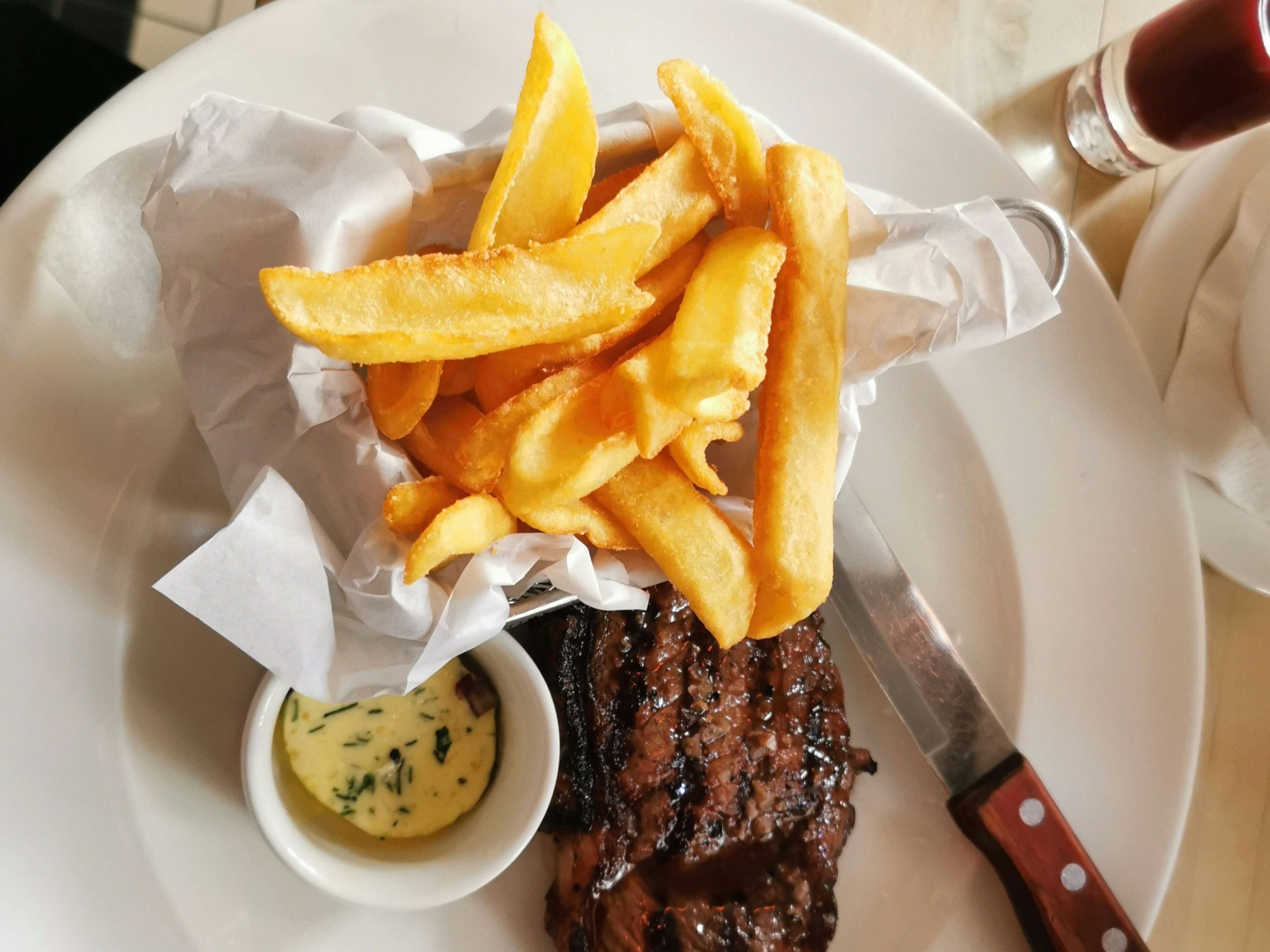
Belgian fries are traditionally fried twice, giving them a crisp exterior and fluffy center. They are commonly served in paper cones with a wide variety of sauces.
Everything you've ever wanted to know about the world's most important side dish!
A non-exhaustive list of the most popular types of fries.
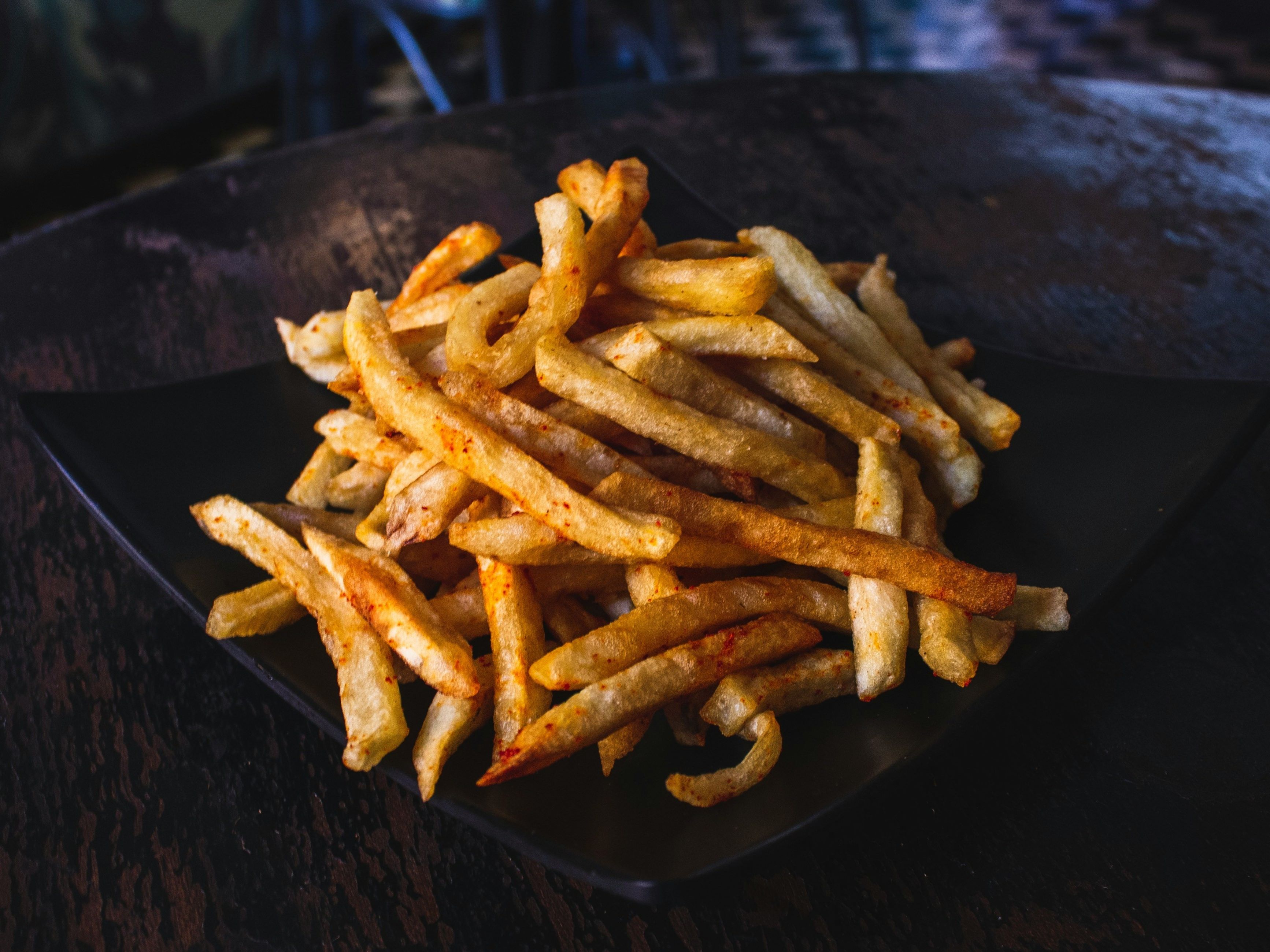
The classic French fry, golden and salty on the outside, fluffy on the inside. These are typically cut between 1/4 and 3/8 of an inch in thickness. Can't go wrong.
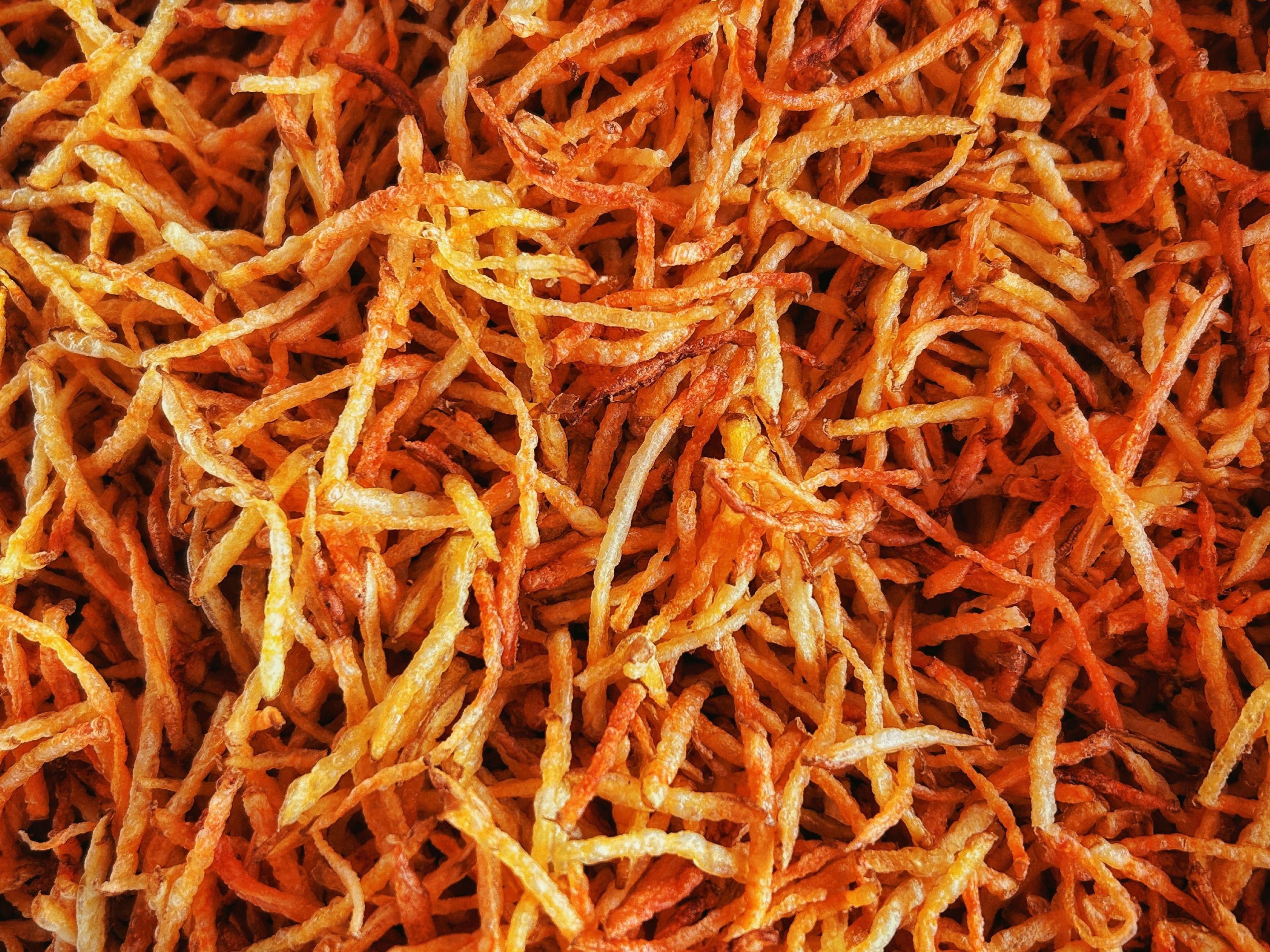
The thin and slightly crispy cousin of the traditional fry, typically cut to about 1/8 of an inch in thickness.
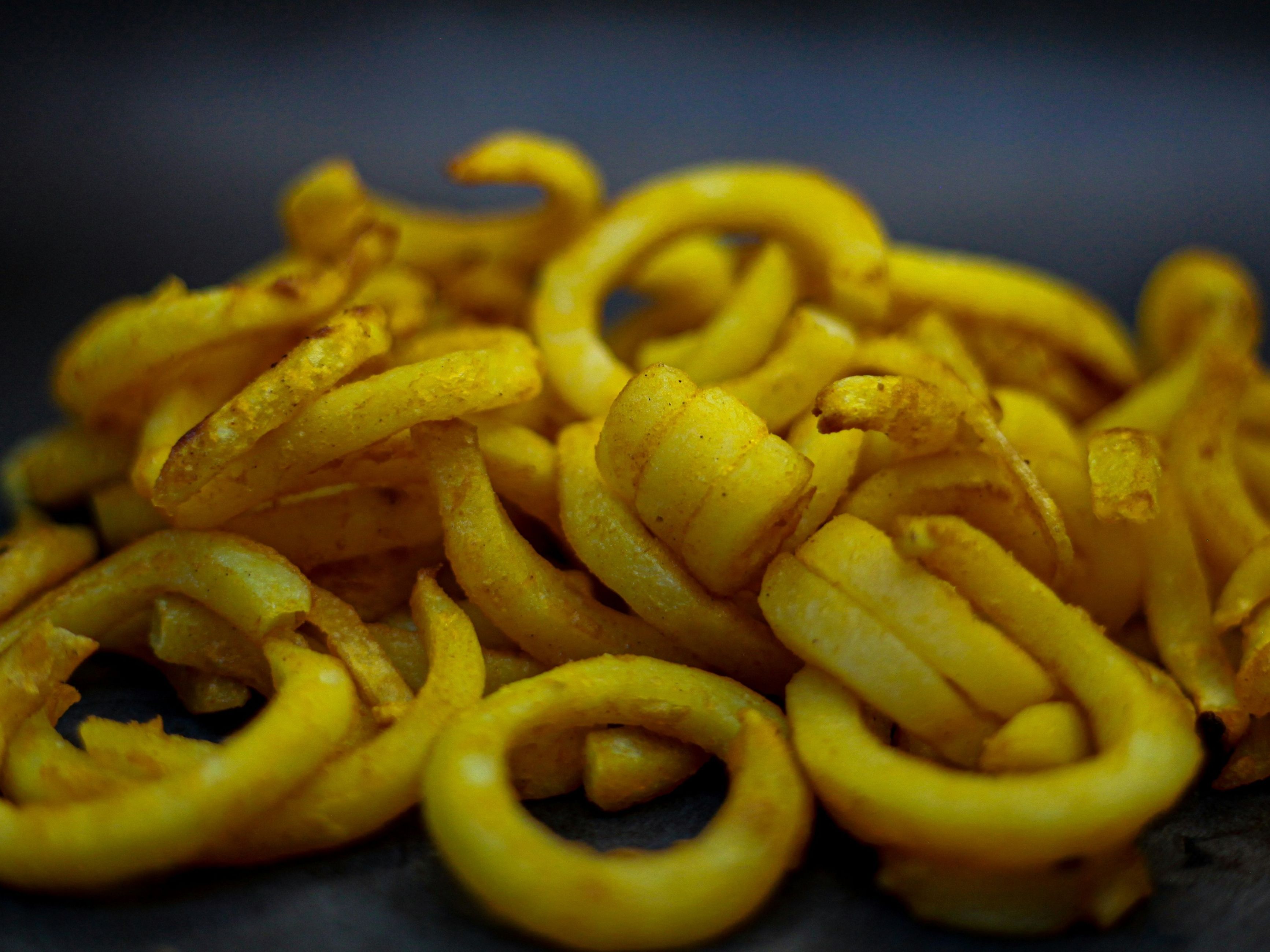
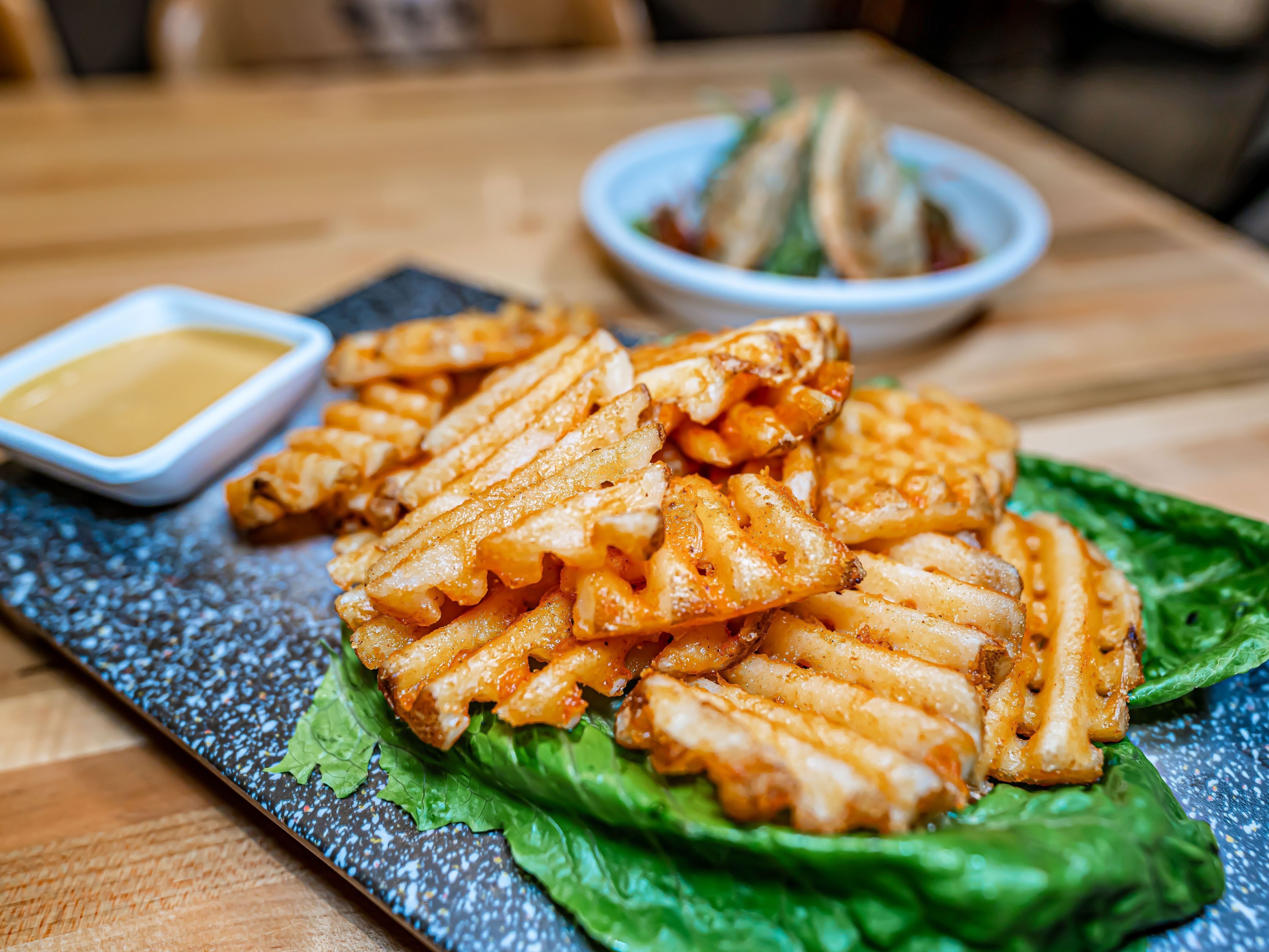
This fun spiral shape makes these fries visually appealing and adds a unique texture to each bite, plus catching more of a delicious dip!
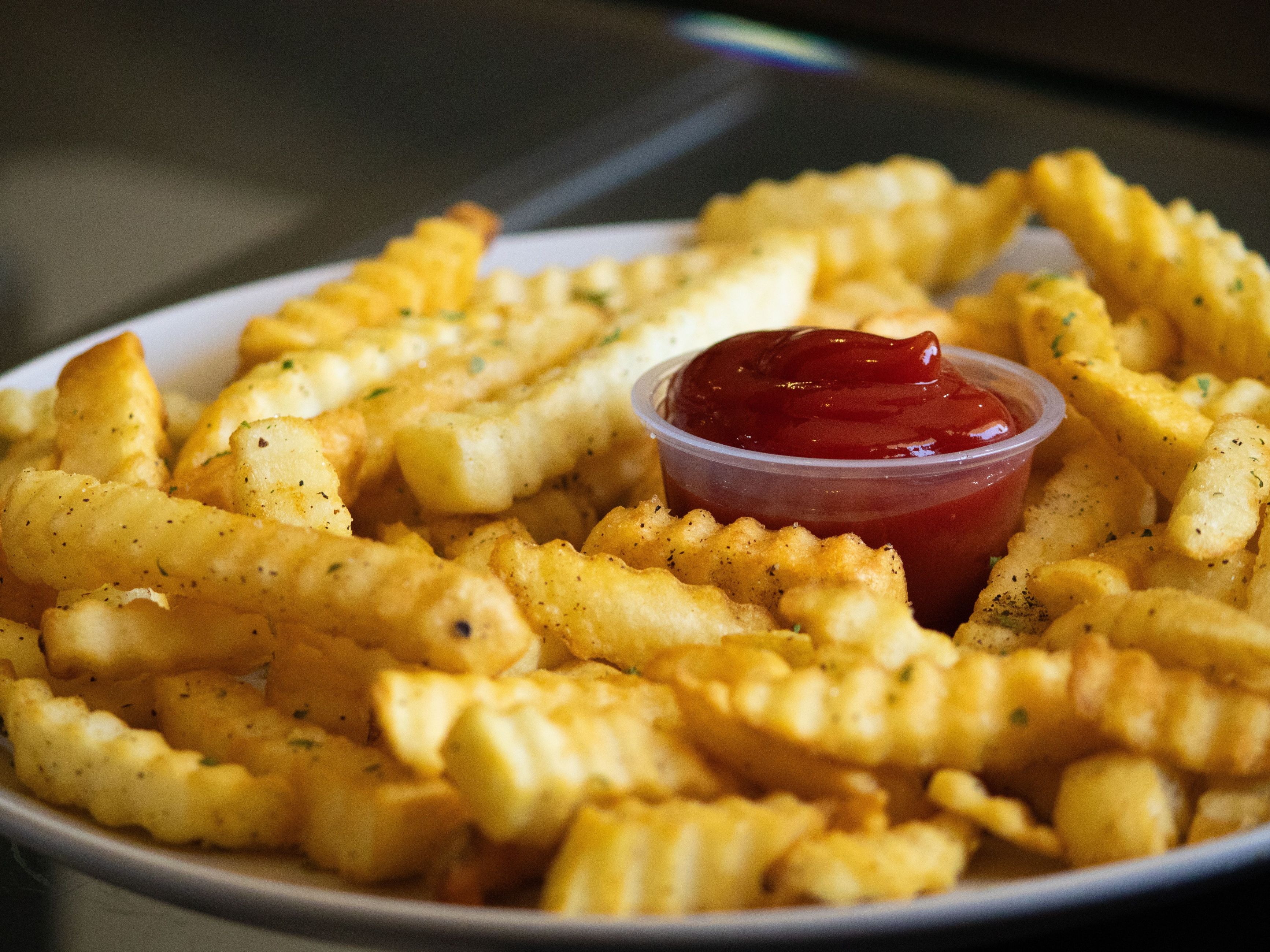
The little bit of extra surface area created by the crinkle-cut pattern allows for more crispy edges and a unique texture.
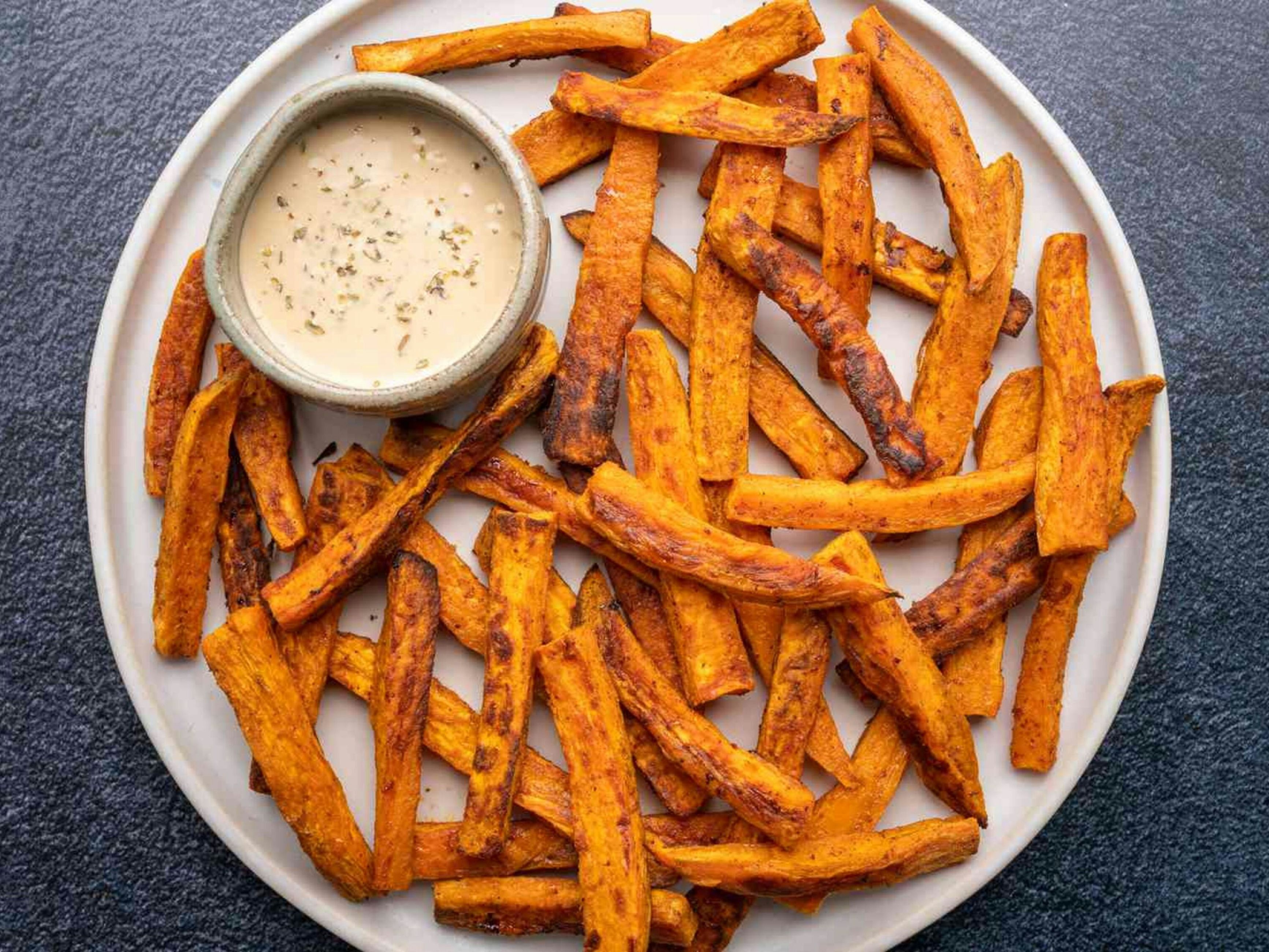
These snuck their way onto the list as they climb in popularity. The natural sweetness of the sweet potato shines through, giving these fries a distinct flavor profile that sets them apart from regular fries.
What makes a fry crispy, fluffy, golden, and completely impossible to stop eating?
The perfect French fry is all about contrast, with a crispy outside and a soft, fluffy inside. That crispy exterior forms when the surface of the potato loses moisture during frying. As the temperature rises, the surface becomes dry and develops a golden-brown crust.
This is also where the Maillard reaction comes into play. Heat causes proteins and sugars at the surface of the potato to react, creating the complex browned flavors and aromas we associate with fried food.
The inside of a fry is mostly cooked potato starch and water. When a potato is heated, its starch granules absorb water and swell. This process, called gelatinization, helps turn the firm raw potato into the soft, fluffy interior we expect from a good fry.
Potato variety matters, too. Potatoes with higher starch and lower moisture tend to produce fries with a lighter, fluffier center, while waxier potatoes can produce a denser and creamier texture.
The golden-brown color of a French fry comes primarily from chemical reactions that happen as the potato's surface gets hot and dry. The most important is the Maillard reaction, which creates hundreds of new flavor and aroma compounds while also producing that characteristic browned color.
Temperature and moisture both matter. A wet surface takes longer to become hot enough for significant browning, which is one reason removing excess moisture can help produce a crispier, more deeply golden fry.
Crispiness depends on keeping the outside of the fry relatively dry. After cooking, moisture from the soft interior can migrate toward the crispy exterior, especially as the fry cools. Steam trapped in a container can make this even worse.
This is why fries packed tightly in a closed container can lose their crunch surprisingly quickly. A little ventilation can actually help keep the outside from becoming saturated with steam.
Double-frying is a classic technique for creating a crisp exterior while keeping the inside soft. The first fry cooks the potato and develops its interior texture without aggressively browning the outside.
The second, hotter fry focuses on crisping and browning the surface. The result is the highly desirable combination of crunchy outside + fluffy inside that defines many excellent French fries.
A good dip can make a great fry even better. Explore sauce pairings below!
The undisputed classic French fry condiment. You won't find a fry that doesn't pair well with ketchup.
This creamy and tangy companion is a popular choice in Europe and Asia and makes an excellent match for crispy, salty fries.
A sweet, tangy, and slightly sharp option perfect for any fry, with a little more personality than mayo.
If you're looking for something especially indulgent, a warm, salty, creamy helping of nacho cheese can transform a basket of fries.
A perfect pairing to bring more depth and savoriness to a thicker fry with its smoky, sweet, tangy, and sometimes spicy notes.
The cool, creamy, herby, tangy flavor brings a completely different flavor profile and is particularly tasty with seasoned or spicy varieties.
French fries may have "French" in the name, but potato-and-frying traditions have developed all over the world.
Belgian fries are traditionally fried twice, giving them a crisp exterior and fluffy center. They are commonly served in paper cones with a wide variety of sauces.
British chips are generally thicker and softer than the typical American French fry. They are a staple of fish and chips and are often served with salt and malt vinegar.
Poutine takes fries in an entirely different direction: crispy fries are topped with cheese curds and hot gravy. The result is messy, salty, rich, and extremely difficult to eat gracefully.
American fry culture has produced countless regional variations, from chili cheese fries to loaded fries and seasoned curly fries. Fast-food restaurants have also helped make the French fry a global icon.
In France, pommes frites are a classic accompaniment to dishes ranging from steak to mussels. Thin, crisp fries are particularly associated with the traditional steak-frites combination.
Dutch fries are commonly served in paper cones and topped with sauces. One especially famous combination is patat oorlog, traditionally served with peanut sauce, mayonnaise, and onions.
A definitely objective judgment of the aforementioned fry varieties. Scores are based on my personal opinion on taste, texture, dippability, and fun.
Overall Fry Score
Overall Fry Score
Overall Fry Score
Overall Fry Score
Overall Fry Score
Overall Fry Score
Overall Fry Score